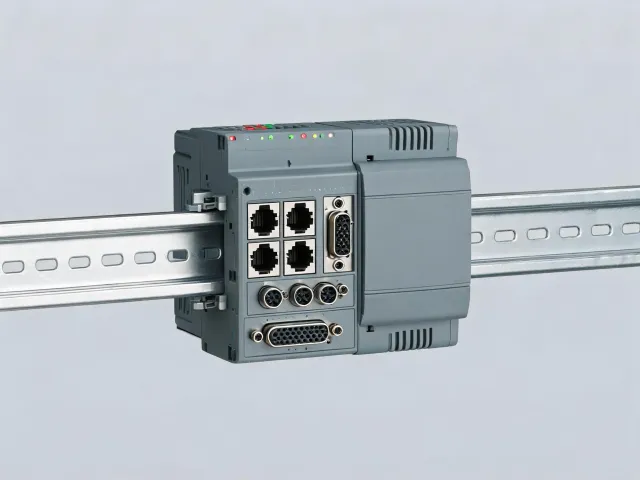
Controller Platforms
Size memory, task execution, local expansion, and redundancy requirements without assuming that every controller family supports the same operating envelope.
CPU · Memory · Task loadPLC ARCHITECTURE & SELECTION
Define controller capacity, I/O topology, EtherNet/IP traffic, enclosure conditions, and migration constraints in one engineering conversation. Our specification-led process helps controls engineers and panel builders distinguish a viable platform from a convenient part number.

THREE-PART SPECIFICATION
Size memory, task execution, local expansion, and redundancy requirements without assuming that every controller family supports the same operating envelope.
CPU · Memory · Task load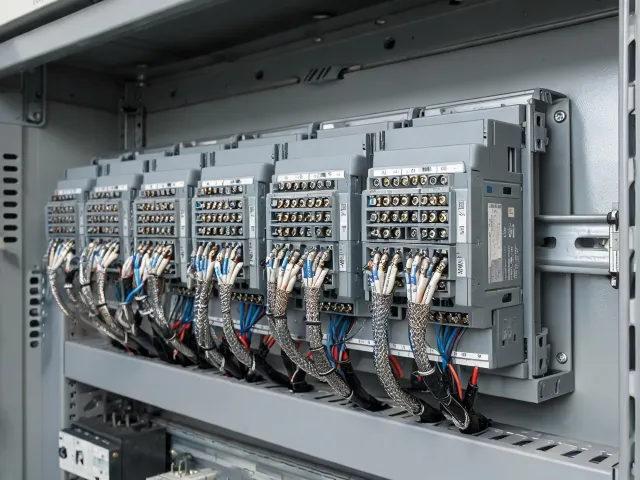
Map digital, analog, specialty, and safety signals to wiring distance, update rate, isolation needs, and maintenance access.
I/O count · Isolation · Topology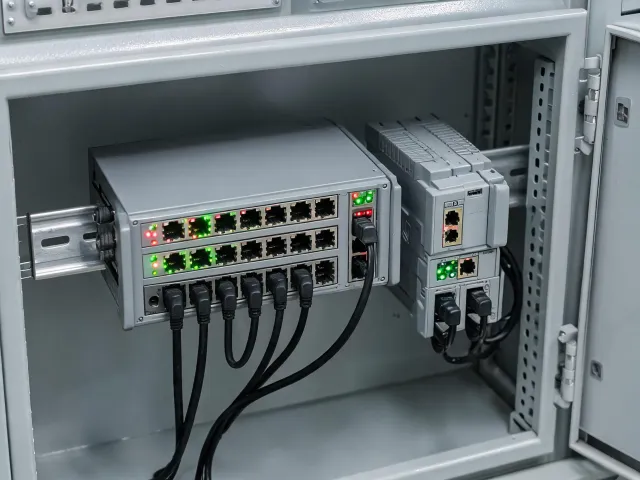
Confirm EtherNet/IP, Modbus TCP, gateway, ring, and switch requirements before software scope and cybersecurity controls are frozen.
Protocol · Ports · SegmentationOPERATING CONTEXT
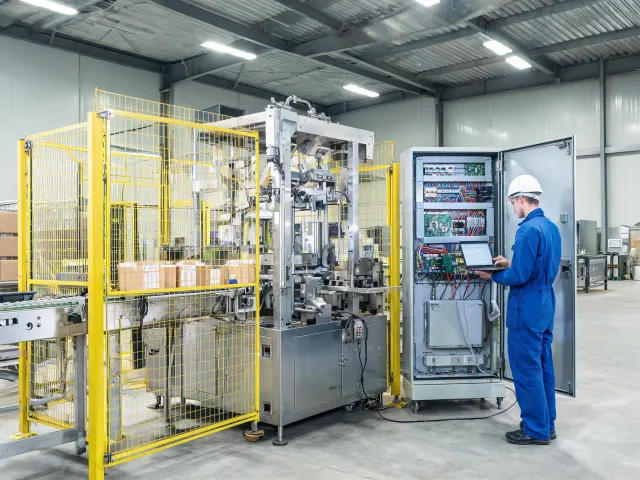
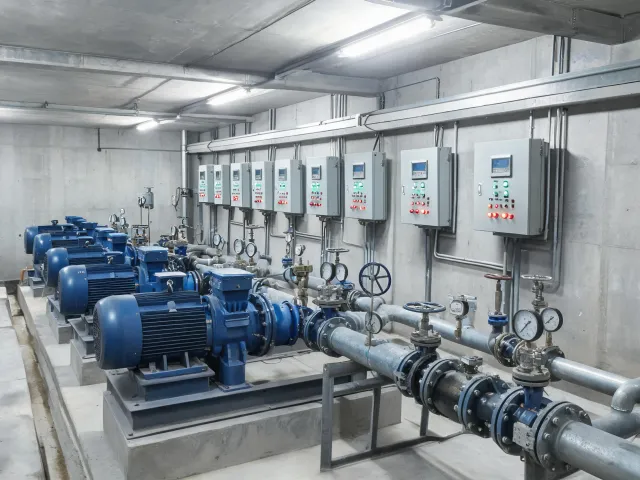
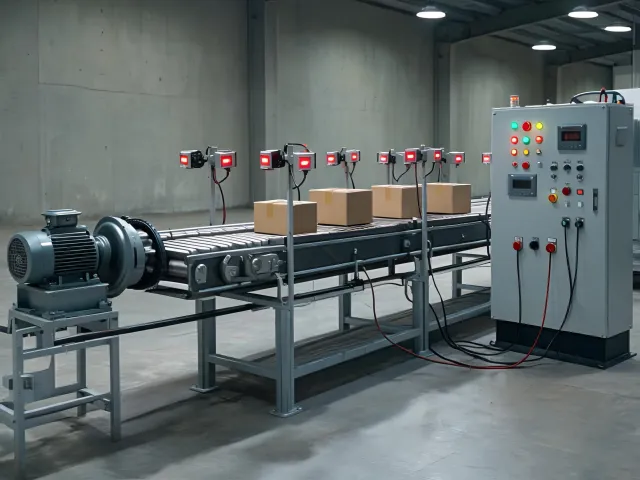
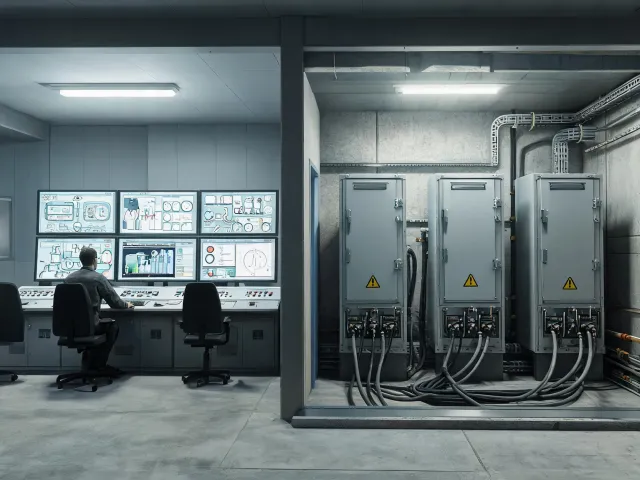
Include signal counts, cycle-time expectations, network nodes, ambient temperature, panel rating, available DIN rail space, software baseline, and any installed-base constraints. We return questions and compatibility points in a form purchasing and engineering can review together.